
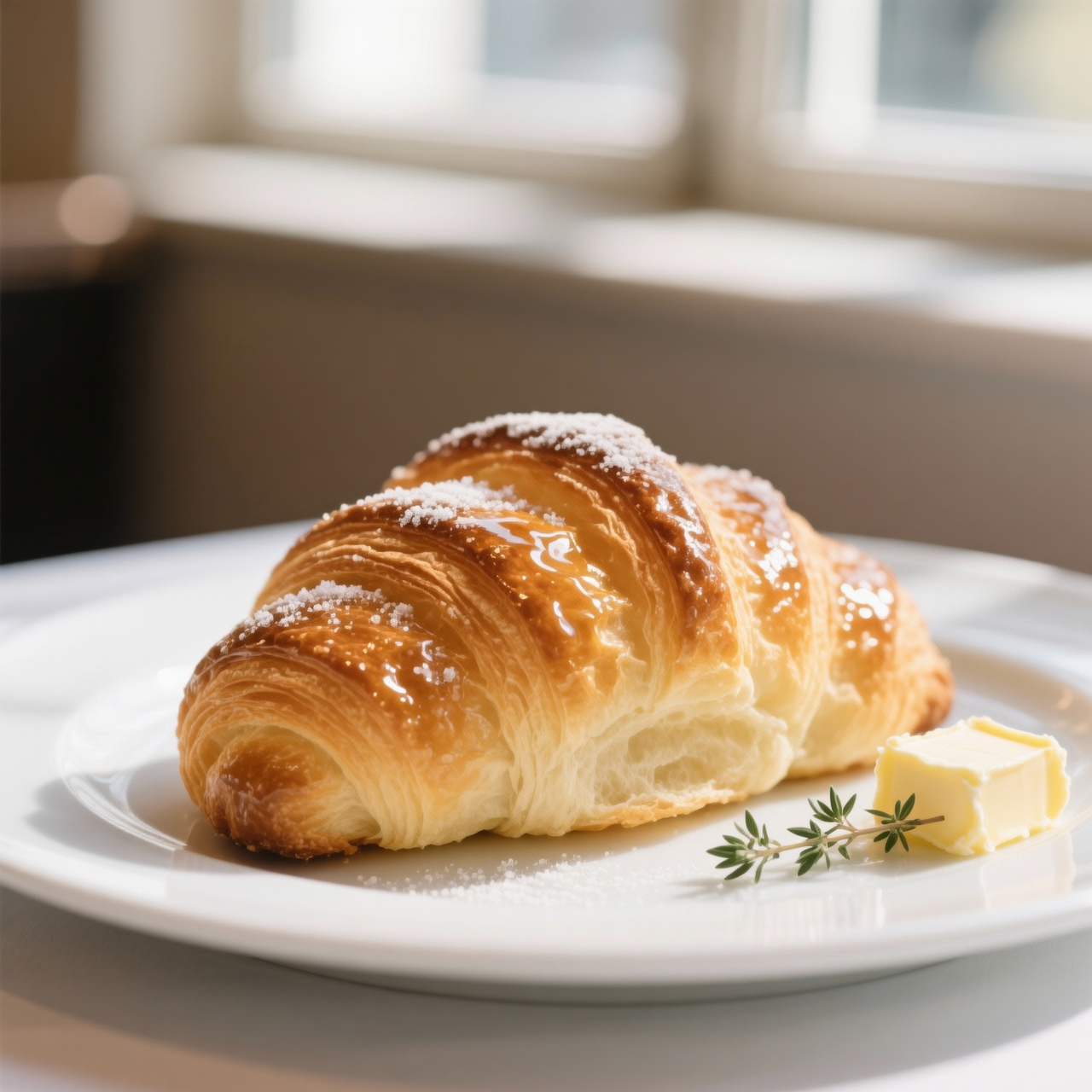
Brioche
When I first learned to shape brioche in Lyon, I quickly understood why it has endured as France’s most celebrated breakfast bread. Its origins trace back to medieval Normandy and later to the royal kitchens of Versailles, where enriched doughs symbolized both abundance and technical mastery. Today, that heritage feels especially vital because supermarket shelves are choked with cheap, pre-sliced loaves that cost around four pounds yet rely on emulsifiers, oxidants, and stale-tasting palm oil to mimic richness. They collapse under their own weight, leaving behind a waxy crumb that never truly toasts. Making brioche at home strips away those compromises and returns you to butter, flour, eggs, and time. The process matters because it teaches patience; the dough must chill thoroughly, and the gluten network needs gentle development to trap those delicate air pockets. I see bakers rush the fermentation or dump in cold butter too early, which shatters the emulsion and yields a greasy, dense brick. Others overwork it in pursuit of a smooth windowpane, turning the enriched dough tough rather than tender. The real secret lies in temperature control: keep the butter and dough cool, fold slowly, and let the yeast do its quiet work over two slow rises. When done right, the loaf emerges with a mahogany crust, a custard-like interior, and a buttery fragrance that fills the kitchen. It freezes beautifully when sliced, making it a reliable batch staple for morning toast, sandwiches, or French toast. You will never reach for a plastic-wrapped imitation again.
Nutrition
| Per serving | Calories | Protein | Carbs | Fat | Sat fat | Fibre | Sugar | Sodium |
|---|---|---|---|---|---|---|---|---|
| beginner | 330kcal | 7g | 38g | 16g | 9g | 2g | 8g | 310mg |
| intermediate | 390kcal | 9g | 48g | 16g | 8g | 2g | 8g | 320mg |
| expert | 460kcal | 10g | 44g | 22g | 12g | 2g | 7g | 290mg |
Per serving · Ava-estimated — a guide, not a clinical figure.
- 500 gbread flour— high-protein flour yields best crumb
- 250 gunsalted butter— cold, cut into small cubes
- 4 largeegg— room temperature
- 120 mlwhole milk— lukewarm
- 60 ggranulated sugar
- 8 gfine sea salt
- 7 ginstant yeast
This beginner version strips away the intimidation of traditional French brioche while keeping every ingredient strictly from scratch. Instead of complex folding or overnight cold proofs, we use a straightforward one-bowl mixing method and a single, room-temperature rise to guarantee a tender crumb. The key difference here is technique pacing: you will knead by hand or with a basic mixer until the dough just passes the windowpane test, avoiding overworking that makes the loaf tough. Watch your dough temperature closely during kneading; if the butter feels greasy or the dough gets warm, pause and chill it for ten minutes before shaping. Unlike the six-dollar supermarket loaves that rely on dough conditioners, artificial emulsifiers, and excessive sugar to mimic richness, this homemade version delivers genuine buttery flavor and a pillowy texture without preservatives or staling agents. You will shape the dough into a simple loaf, apply a light egg wash for that signature golden crust, and bake until deeply fragrant. Mastering this forgiving baseline builds confidence for richer, multi-day brioche variations later.
Equipment
- 9x5 inch loaf pan— line with parchment for easy release
- Stand mixer with dough hook(optional)— hand kneading works but requires extra effort
- Instant-read thermometer— target 190°F internal temperature
Method
- 1
Whisk warm milk, active dry yeast, and one teaspoon of sugar until frothy.
Milk must be 105 to 110°F to wake the yeast without killing it.
blooming~ 5 minTricky bit - 2
Combine flour, salt, remaining sugar, and the yeast mixture in a large bowl until a shaggy mass forms.
Resist adding extra flour even if the dough feels sticky.
hydration~ 3 min - 3
Knead the dough vigorously by hand or with a dough hook until smooth and slightly elastic.
The dough will stretch thinly without tearing when properly developed.
gluten development~ 10 minTricky bit - 4
Gradually beat in softened butter, one tablespoon at a time, until fully absorbed and glossy.
Wait for each addition to disappear before adding the next to prevent splitting.
incorporation~ 8 minTricky bit - 5
Cover the bowl and let the dough rest in a warm spot until doubled in bulk.
A lightly oiled finger should leave a lasting indentation.
bulk fermentation~ 60 min - 6
Turn out the risen dough, gently shape into a loaf, and place it in a prepared pan.
Do not deflate the dough during transfer to maintain an airy crumb.
shaping~ 5 min - 7
Brush the top with beaten egg and bake until deeply golden and hollow-sounding when tapped.
Tent loosely with foil if the top darkens too quickly during baking.
egg washing~ 30 min
Cooking from frozen
Thaw slices at room temperature for an hour or toast directly from frozen until warm and crisp.
Storage times are a guide — always use your judgement and store food safely.