
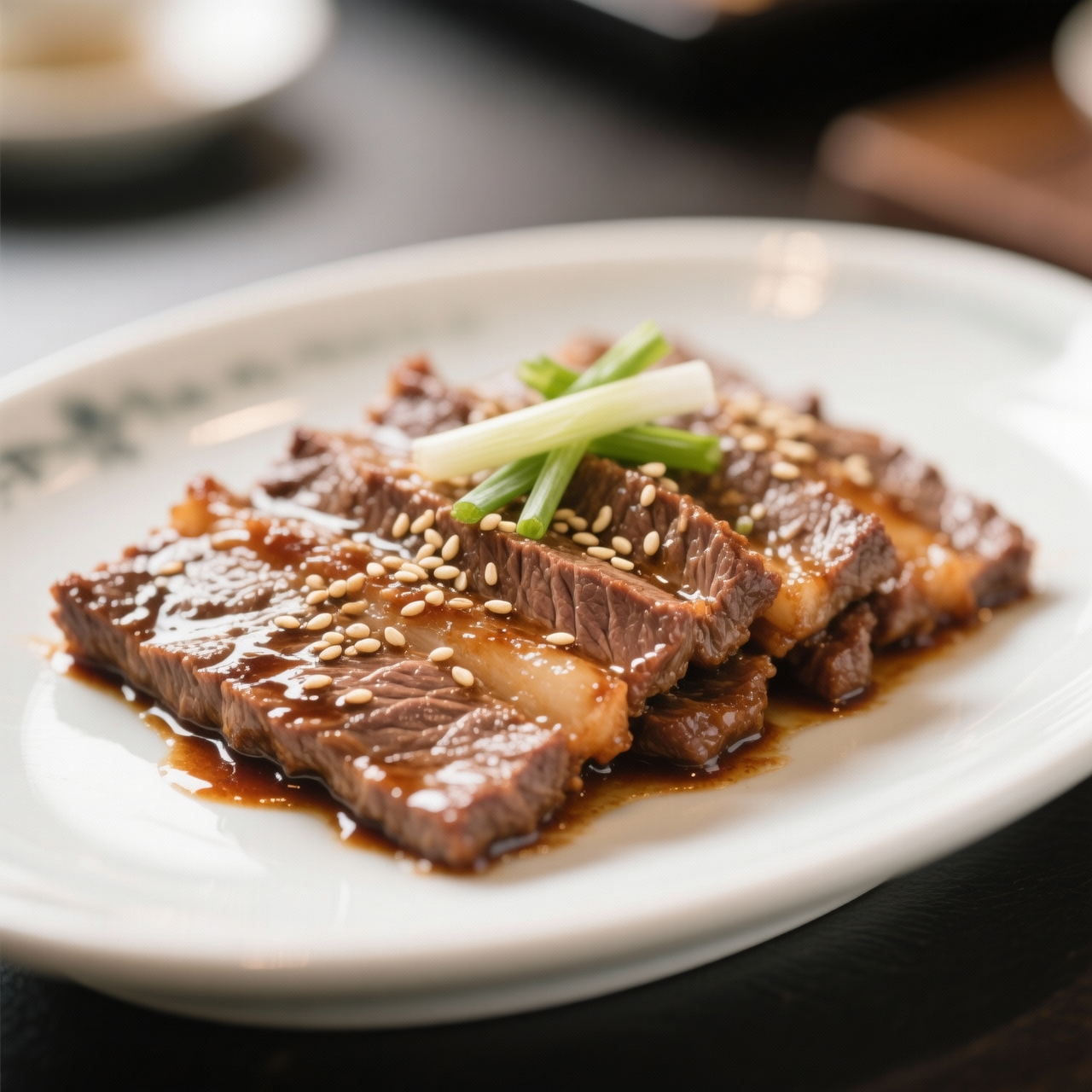
Bulgogi (Marinated Beef)
I’ve always believed that bulgogi is where Korean home cooking reveals its quiet genius, balancing sweet, savory, and smoky notes without ever tipping into cloying excess. Historically rooted in the royal courts of the Joseon dynasty before becoming a beloved everyday staple, it was traditionally made with thinly sliced beef marinated in a blend of soy sauce, sugar, garlic, and pear. Today, you can grab a plastic tub of pre-marinated bulgogi from any supermarket, usually priced around six or seven dollars, but that convenience comes at a steep culinary cost. Those commercial packs rely on heavy sodium, artificial tenderizers, and cloying corn syrups that mask the actual flavor of the meat, leaving you with a one-dimensional, mushy texture that never truly caramelizes. Making it from scratch is not only cheaper, it restores the dish’s integrity. I’ve seen countless cooks ruin it by skipping the crucial step of partially freezing the beef to achieve paper-thin slices, or by overcrowding the pan, which steams the meat instead of searing it. Another frequent mistake is letting the marinade sit too long with acidic fruit purees, which turns the beef grainy. When you build this properly from whole ingredients and treat the meat with respect, the result is tender, deeply flavored, and impossibly quick to cook. That’s why I always treat bulgogi as a batch hero. I portion the raw, marinated beef into heavy-duty freezer bags, squeeze out the air, and lay them flat. When you thaw and cook them later, you’re not just reheating a meal—you’re reclaiming the exact bright, balanced flavor that makes this dish a cornerstone of Korean tables.
Nutrition
| Per serving | Calories | Protein | Carbs | Fat | Sat fat | Fibre | Sugar | Sodium |
|---|---|---|---|---|---|---|---|---|
| beginner | 420kcal | 28g | 16g | 26g | 8g | 2g | 11g | 780mg |
| intermediate | 420kcal | 30g | 16g | 24g | 8g | 2g | 11g | 780mg |
| expert | 485kcal | 32g | 14g | 28g | 10g | 2g | 10g | 640mg |
Per serving · Ava-estimated — a guide, not a clinical figure.
- 1000 gbeef— Ribeye or sirloin, partially frozen for thin slicing
- 120 mlsoy sauce— Standard Korean or Japanese variety
- 60 gsugar— Brown or granulated white
- 30 mlsesame oil— Toasted for depth of flavor
- 25 ggarlic— Fresh cloves, finely minced or pressed
- 150 gpear— Asian or Bosc, peeled and grated
- 40 gscallion— White and light green parts, thinly sliced
- 3 gblack pepper— Freshly ground
- 15 gsesame seed(optional)— Toasted, can be added during cooking or as garnish
This beginner-friendly approach strips away restaurant-grade techniques like pear-grating or overnight resting, focusing instead on a quick, reliable marinade built from pantry staples you whisk together by hand. Instead of chasing perfect caramelisation on a scorching grill, we cook the beef in a single heavy pan over steady medium-high heat, which guarantees tender, evenly browned slices without the guesswork or flare-ups. The key here is slicing the beef thinly while it’s slightly firm, patting it dry before tossing it in the sauce, and resisting the urge to overcrowd the skillet. Watch the sugar in the marinade closely as it cooks; it will foam and darken quickly once the liquid reduces, so keep the pan moving. Store-bought bulgogi kits or frozen marinades typically cost around £4–£6 per pack and rely on heavy sodium, artificial tenderisers, and corn syrup to mimic depth. They also leave the meat mushy and one-dimensionally sweet. By mixing real soy sauce, toasted sesame oil, grated garlic, and a touch of honey yourself, you gain complete control over the sweet-salty balance, achieve genuine meaty texture, and save money while prepping freezer-ready bags that outperform any supermarket alternative.
Equipment
- Large heavy-bottomed skillet— wide surface area prevents steaming
- Sharp chef’s knife— partially freeze meat for cleaner slicing
- Mixing bowls— separate vessels for meat and sauce prevent cross-contamination
Method
- 1
Slice the beef thinly against the grain and place it in a large mixing bowl.
Freeze for twenty minutes first to firm up the fibres.
against the grain~ 3 min - 2
Whisk together soy sauce, brown sugar, grated garlic, grated ginger, sesame oil, and black pepper in a separate bowl until the sugar fully dissolves.
Taste the liquid before adding it to the meat to adjust sweetness.
emulsifying~ 2 min - 3
Pour the marinade over the sliced beef and toss thoroughly with tongs until every piece is evenly coated.
Work quickly to prevent the acid from starting to cure the meat prematurely.
coating~ 1 min - 4
Heat the skillet over medium-high heat until shimmering, add the beef in a single layer, and let it sear undisturbed for two minutes before stirring.
Overcrowding will steam the meat instead of browning it.
pan-searing~ 4 minTricky bit - 5
Continue cooking and tossing until the beef is fully browned and the marinade reduces to a glossy glaze, then immediately remove from heat and sprinkle with toasted sesame seeds.
Pull the pan off the burner while slightly glistening to avoid over-reducing the sugars.
reducing~ 3 min
Cooking from frozen
Thaw completely in the refrigerator overnight before quickly searing in a smoking-hot pan to restore caramelization.
Storage times are a guide — always use your judgement and store food safely.