
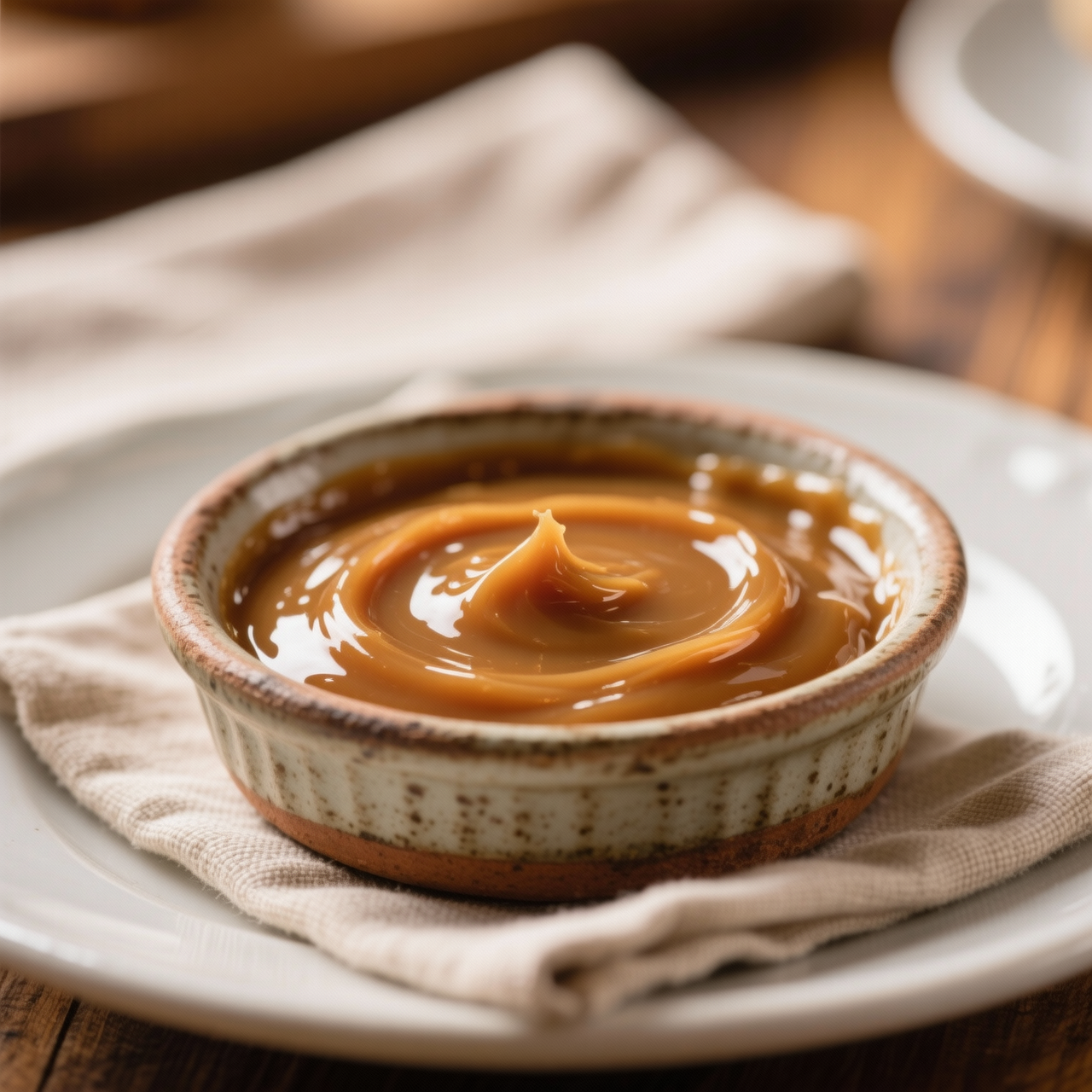
Dulce de leche
When I think of dulce de leche, I am immediately transported to the sun-drenched plazas of Buenos Aires, where this liquid gold is not just a condiment, but a cultural cornerstone. While its exact origins are fiercely debated across Latin America, it is here in Argentina that dulce de leche achieved its most iconic, velvety expression. Legend says it was accidentally invented in 1829 when a cook left milk and sugar boiling too long while waiting for a political truce to be signed. Whether myth or truth, the result is a masterpiece of Maillard reaction and patience. Making it from scratch matters because it transforms humble, everyday ingredients—whole milk, sugar, a touch of vanilla, and a pinch of baking soda—into something profoundly complex and deeply comforting. However, the journey is fraught with common pitfalls. The most frequent mistake is rushing the process; turning up the heat to speed things up will scorch the milk, ruining the smooth texture with bitter, burnt notes. Another trap is failing to stir consistently during the final stages, which leads to a grainy or lumpy finish rather than that signature glossy, spreadable consistency. You must also be careful with the baking soda; too much will give it a soapy taste, while too little prevents that beautiful, deep mahogany color from developing. It requires a gentle, low simmer and a wooden spoon in hand, but the reward of filling several glass jars with your own homemade dulce de leche is an unparalleled triumph of slow food.
Nutrition
| Per serving | Calories | Protein | Carbs | Fat | Sat fat | Fibre | Sugar | Sodium |
|---|---|---|---|---|---|---|---|---|
| beginner | 180kcal | 3g | 28g | 6g | 4g | 0g | 24g | 65mg |
| intermediate | 450kcal | 8g | 75g | 12g | 7g | 0g | 70g | 150mg |
| expert | 230kcal | 5g | 42g | 5g | 3g | 0g | 38g | 60mg |
Per serving · Ava-estimated — a guide, not a clinical figure.
- 2000 mlwhole milk— fresh whole milk is preferred over UHT for the best flavor and reduction
- 700 ggranulated sugar
- 4 gbaking soda— also known as bicarbonate of soda
- 10 mlvanilla extract(optional)
This beginner-friendly approach skips the hours-long simmer by starting with a high-quality store-bought dulce de leche base, transforming it into a luxurious, custom-blended condiment in under an hour. The secret here is enriching the jarred paste with a splash of heavy cream and a touch of vanilla, which restores the silky, pourable texture and deepens the flavor profile to mimic a traditional slow-cooked batch. Watch the heat carefully; dairy sugars scorch easily, so a gentle, steady warmth is all you need to melt the mixture without seizing or burning it. Stir continuously to ensure an even, glossy finish. This method is perfect for building confidence, allowing you to achieve that signature Argentine caramel flavor and velvety mouthfeel without the intimidation of constant stirring for hours. It is an ideal shortcut for last-minute gifts or when you need a reliable, foolproof batch to fill several jars for the week. The result is a beautifully balanced, rich spread that tastes entirely homemade, giving you a confident first step into the world of Argentine confections.
Equipment
- Heavy-bottomed pan— non-stick or stainless steel to prevent scorching
- Wooden spoon— heatproof for constant stirring
- Sterilized glass jars— with tight-fitting lids for storage
Method
- 1
Combine the jarred dulce de leche, heavy cream, vanilla extract, and a pinch of salt in the heavy-bottomed pan.
Ensure the cream is at room temperature to prevent the mixture from seizing.
combining~ 2 min - 2
Warm the mixture over medium-low heat, stirring constantly with a wooden spoon until completely smooth and glossy.
Do not let it boil, or the dairy will separate and the sugars will scorch.
melting~ 10 minTricky bit - 3
Remove the pan from the heat and let the dulce de leche cool slightly before transferring it to sterilized glass jars.
It will thicken significantly as it cools to room temperature.
resting~ 5 min
Cooking from frozen
Thaw in the refrigerator overnight and stir vigorously to restore its glossy, spreadable texture.
Storage times are a guide — always use your judgement and store food safely.