
Kecap Manis
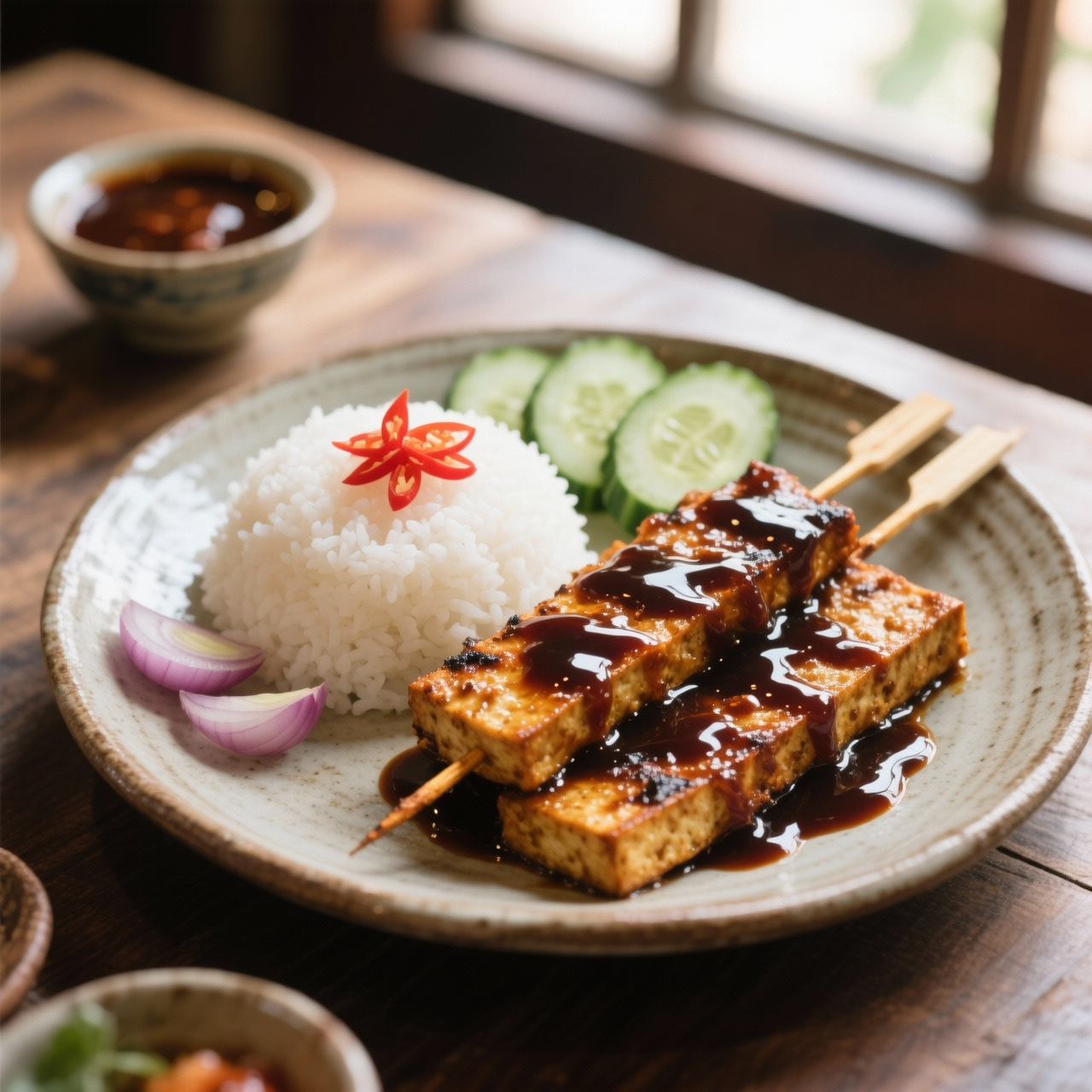
When I first stepped into a bustling Jakarta pasar, the air thick with the caramelized perfume of simmering soy, I realized why kecap manis isn’t just a condiment—it’s the quiet architect of Indonesian flavor. Born from a beautiful collision of Chinese soy fermentation techniques and Javanese love for palm sugar, this glossy, syrupy sauce carries centuries of cultural exchange in every drop. I’ve spent countless evenings coaxing it into existence, watching dark liquid transform into something that clings to the back of a spoon like liquid amber. Getting it right matters because it’s the soul of everything from nasi goreng to sate; a poorly balanced batch can easily tip a dish into cloying sweetness or harsh saltiness. The most common mistake I see is rushing the reduction. You can’t shortcut time with a high flame, or you’ll burn the sugars and trap a bitter, metallic aftertaste that no amount of stirring can fix. Another pitfall is using cheap, thin soy sauce instead of a robust, naturally brewed variety. The base has to have depth, or the final syrup will taste one-dimensional. I always recommend a gentle, steady simmer and a heavy-bottomed pot that distributes heat evenly. You want it to thicken slowly, allowing the palm sugar to dissolve completely and the spices to infuse without scorching. When it finally coats the spoon and leaves a slow trail as you drag it through the pan, you’ll know it’s ready. It’s a humble process, but the payoff is a jar of liquid gold that will elevate your cooking for months.
Nutrition
| Per serving | Calories | Protein | Carbs | Fat | Sat fat | Fibre | Sugar | Sodium |
|---|---|---|---|---|---|---|---|---|
| beginner | 60kcal | 1g | 14g | 0g | 0g | 0g | 13g | 580mg |
| intermediate | 105kcal | 2g | 24g | 0g | 0g | 0g | 19g | 1150mg |
| expert | 420kcal | 9g | 88g | 0g | 0g | 1g | 76g | 920mg |
Per serving · Ava-estimated — a guide, not a clinical figure.
- 200 gpalm sugar— preferably Indonesian gula jawa, roughly chopped if in block form
- 250 mlsoy sauce— standard fermented soy sauce
- 100 mlwater
- 4 clovegarlic— lightly crushed
- 2 pieceshallot— peeled and bruised
- 15 gginger— thinly sliced
- 2 piecestar anise
- 2 pieceIndonesian bay leaf— also known as daun salam
- 10 gtamarind paste(optional)— adds a subtle tang to balance the sweetness
This beginner-friendly approach skips the traditional fermentation and palm sugar grating, relying instead on widely available liquid soy sauce and pre-softened palm sugar blocks for a reliable, foolproof syrup. The key difference here is low-and-slow heat management. Because you are reducing a high-sugar mixture, the line between a glossy, pourable syrup and a scorched, bitter mess is narrow. Keep your burner at a gentle simmer and stir frequently, especially as the liquid reduces and the bubbles thicken. You will know it is ready when the syrup coats the back of a spoon and leaves a clear trail when you drag a finger through it. Since this recipe scales beautifully, make a double or triple batch while the stove is warm. Once completely cooled, funnel the syrup into clean, airtight bottles and store it in the pantry or refrigerator. It will keep for several months, developing a deeper, more harmonious sweetness over time. Trust the visual cues over the clock, and you will have a staple condiment that elevates everything from fried rice to grilled proteins.
Equipment
- Heavy-bottomed pan— non-stick is fine here
- Wooden spoon— prevents scratching and allows gentle scraping
- Fine-mesh strainer— for removing whole aromatics
- Glass bottles with tight lids— sterilized before use
Method
- 1
Combine the soy sauce, pre-softened palm sugar, water, and aromatics in a heavy-bottomed pan over medium-low heat.
Pre-softened sugar dissolves faster than raw blocks.
dissolving~ 2 min - 2
Bring the mixture to a bare simmer, then immediately reduce the heat to low.
High heat will cause rapid bubbling and potential boil-over.
simmering~ 3 minTricky bit - 3
Simmer uncovered for twenty to twenty-five minutes, stirring every few minutes until the liquid reduces by half and thickens into a glossy syrup.
The mixture will coat a spoon and leave a clean trail when tested.
reduction~ 23 minTricky bit - 4
Remove the pan from the heat, let it cool completely for ten minutes, then strain out any whole aromatics and funnel into sterilized bottles.
Hot syrup can crack cold glass; wait until it reaches room temperature.
straining~ 10 min
Cooking from frozen
Thaw overnight in the refrigerator and whisk thoroughly to reincorporate any separated sugars before use.
Storage times are a guide — always use your judgement and store food safely.