
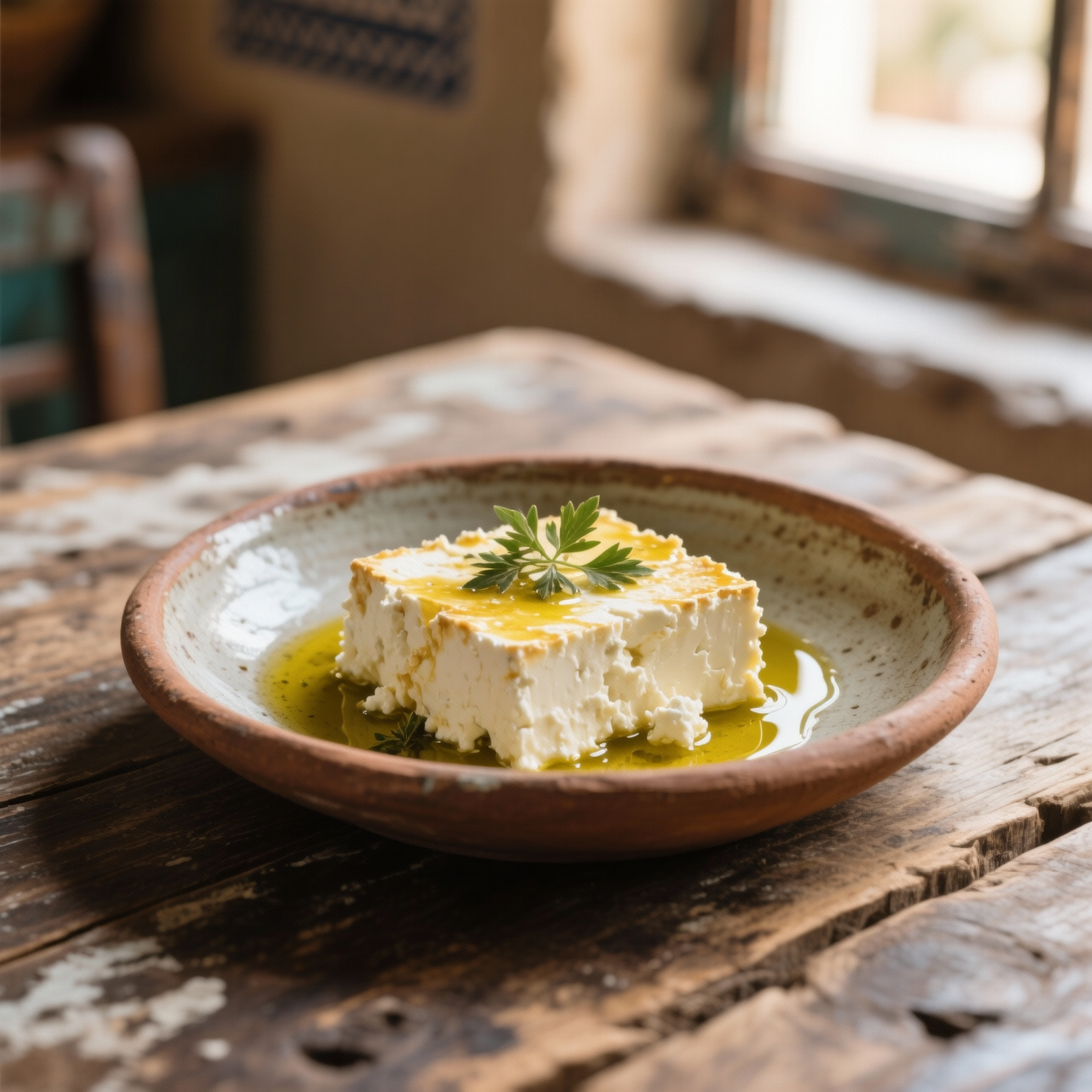
Mish (fermented cheese)
Mish began as a quiet act of preservation in rural Egyptian kitchens, where nothing went to waste. Long before supermarkets sold plastic-wrapped blocks of sharp, one-note cheese, families mixed leftover aged cheeses with coarse salt, toasted cumin, and sometimes a splash of olive oil, packing the crumbles into earthenware pots to ferment for months. What emerged was deeply savory, tangy, and profoundly complex—a living cheese that tasted of time, patience, and place. I return to this method because it reclaims flavor from an industry that now sells heavily processed, preservative-laden cheese spreads and artificially aged crumbles for four to six pounds a tub. Those commercial shortcuts rely on stabilizers and artificial tang to mimic depth, but they lack the slow biochemical magic that makes real mish so compelling. Making it yourself requires almost nothing but good dairy, salt, and restraint, yet the payoff is a condiment that elevates flatbreads, stews, and roasted vegetables with a punch no factory can replicate. The most common pitfall I see is rushing the fermentation or skipping the brine seal; without enough salt and an airtight, cool environment, unwanted molds will take over instead of the beneficial cultures you’re trying to cultivate. Another mistake is using overly fresh, mild cheese that hasn’t yet developed the proteins and acids needed to break down properly. You want something aged, firm, and dry to start. Trust the slow process, keep your jars scrupulously clean, and let the cheese do its quiet work. Within weeks, the sharp, umami-rich result will make any store-bought alternative feel entirely hollow.
Nutrition
| Per serving | Calories | Protein | Carbs | Fat | Sat fat | Fibre | Sugar | Sodium |
|---|---|---|---|---|---|---|---|---|
| beginner | 240kcal | 15g | 2g | 19g | 9g | 0g | 1g | 880mg |
| intermediate | 360kcal | 15g | 3g | 32g | 9g | 1g | 1g | 650mg |
| expert | 245kcal | 18g | 2g | 18g | 11g | 0g | 1g | 980mg |
Per serving · Ava-estimated — a guide, not a clinical figure.
- 2000 mlwhole milk— Pasteurized or raw, but avoid ultra-high temperature processed milk
- 60 gsea salt— Non-iodized to prevent inhibition of natural fermentation cultures
- 2 mlvegetarian rennet— Dilute in 30 ml of cool water before incorporating into the milk
- 10 gfenugreek seed— Lightly toasted and cracked to infuse the aging brine with traditional aroma
- 5 gdried red chili flake(optional)— Provides characteristic heat to the mature brine, adjust to taste
This beginner-friendly approach to Egyptian mish strips away the traditional months-long aging process without sacrificing the signature tangy, umami-rich profile. Instead of relying on commercial shortcuts like pre-aged brined spreads or heavily salted, preservative-laden supermarket versions that cost upwards of eight dollars per small jar and taste artificially sharp, you will craft a clean, from-scratch base that ferments safely in just two weeks. The method focuses on precise salt ratios, a simplified draining technique for fresh curds, and a straightforward brine preparation that eliminates guesswork. Watch closely during the curd draining phase; the cheese must reach a firm, crumbly texture before salting, otherwise excess moisture will dilute the brine and compromise fermentation safety. Keep your sterilized jars at a steady room temperature away from direct sunlight, and resist the urge to open them during the first ten days to allow beneficial bacteria to establish. By the end of the fortnight, you will have a versatile, deeply savory cheese that outperforms any store-bought alternative in complexity and freshness, while remaining completely vegetarian and free of artificial additives.
Equipment
- Clean glass jars with tight lids— 16 oz mason jars, sterilized
- Cheesecloth or clean cotton tea towel— for draining whey
- Fine-mesh sieve— fits over a bowl
- Kitchen scale(optional)— highly recommended for accurate salt ratios
Method
- 1
Line a fine-mesh sieve with damp cheesecloth and spoon the fresh cheese curds inside.
Let gravity pull out the whey; do not squeeze or press the curds.
draining~ 30 minTricky bit - 2
Transfer the drained curds to a clean bowl and fold in the salt, ground cumin, and crushed garlic until evenly coated.
Ensure every crumb touches the seasoning to prevent spoilage.
folding~ 2 min - 3
Press the seasoned cheese firmly into the sterilized glass jars, leaving exactly one inch of headspace at the top.
Eliminate air pockets by tapping the jar base lightly on the counter.
packing~ 5 minTricky bit - 4
Pour the cooled saltwater brine over the packed cheese until completely submerged, then top with a thin layer of olive oil before screwing on the lids.
The oil barrier prevents surface mold from forming during fermentation.
submerging~ 1 min - 5
Store the sealed jars in a dark cupboard at room temperature for fourteen days before transferring to the refrigerator.
A slight tangy aroma is normal; discard if you detect any foul or rotten odors.
fermenting~ 1 min
Storage times are a guide — always use your judgement and store food safely.