
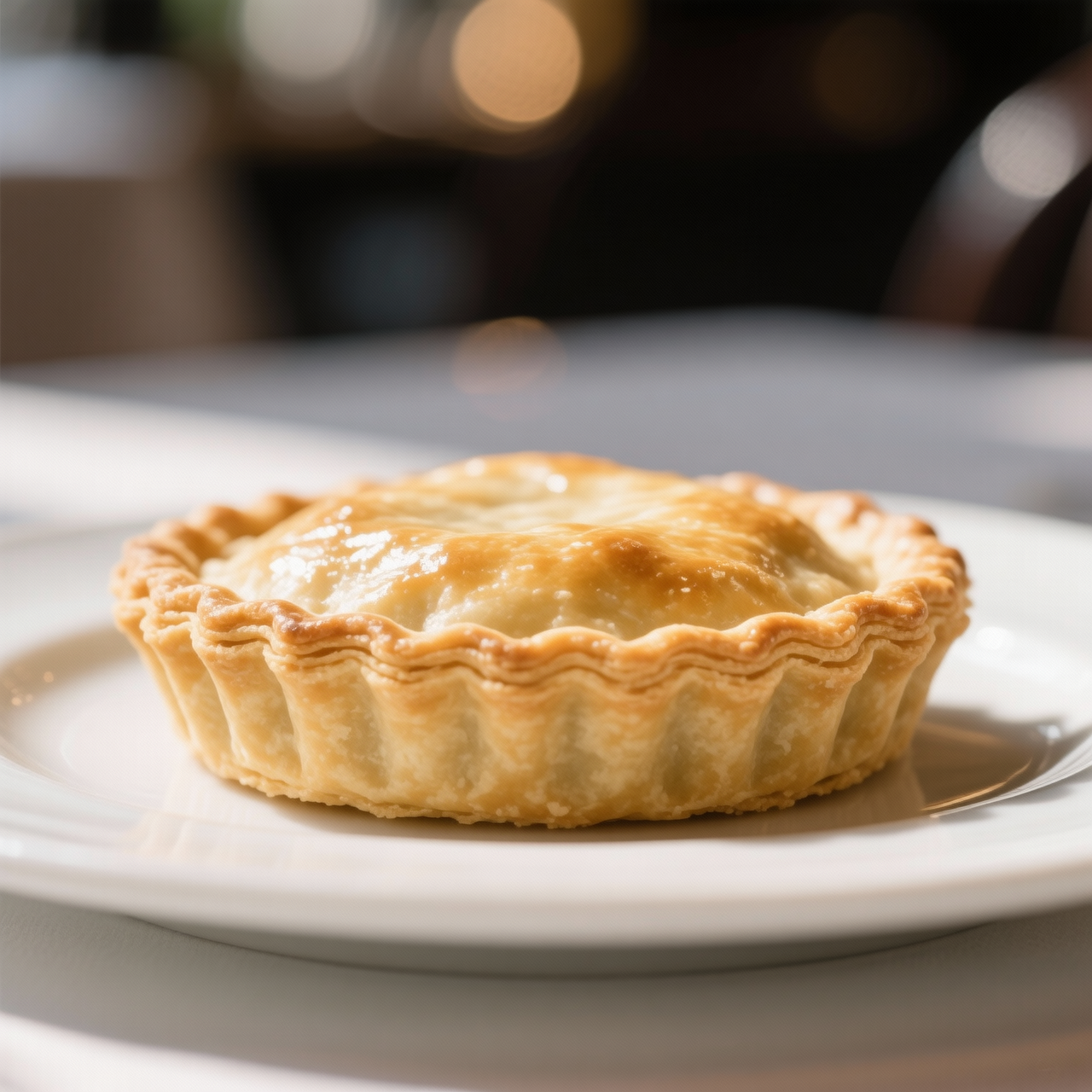
Pâte brisée (shortcrust pastry)
When I first learned to make pâte brisée in a cramped Parisian kitchen, I understood why French bakers treat it as sacred geometry rather than mere baking. Born in the eighteenth century as a humble alternative to the richer, more laborious pâte feuilletée, this shortcrust pastry was designed for everyday tarts and quiches, relying on butter, flour, salt, and a whisper of water. Yet today, it is routinely replaced by a pale, waxy supermarket disc that costs nearly as much as a cup of artisanal butter and tastes like nothing at all. Those pre-rolled, plastic-wrapped rounds are loaded with preservatives and shortening, sacrificing the delicate, crumbly snap that only real butter and careful hands can deliver. Why does this matter? Because pastry is the foundation of countless French classics, and cutting corners here compromises everything from a rustic apple tart to a delicate onion quiche. The pitfalls are deceptively simple: overworking the dough develops gluten, turning a tender crust into a tough, shrinking disc, while warm hands melt the butter before it even meets the oven, eliminating those essential steam pockets that create flakiness. My approach strips away the intimidation. You do not need a marble slab or ice baths; you just need cold ingredients, a light touch, and the discipline to let the dough rest. When you make it from scratch, you control the fat-to-flour ratio, ensure absolute freshness, and unlock that unmistakable, nutty richness. It is a quiet rebellion against the convenience aisle, and the reward is a crust that shatters beautifully, holds its shape without shrinking, and tastes unmistakably of butter and care.
Nutrition
| Per serving | Calories | Protein | Carbs | Fat | Sat fat | Fibre | Sugar | Sodium |
|---|---|---|---|---|---|---|---|---|
| beginner | 440kcal | 6g | 48g | 25g | 13g | 2g | 1g | 115mg |
| intermediate | 450kcal | 7g | 46g | 26g | 16g | 2g | 0g | 575mg |
| expert | 450kcal | 7g | 47g | 26g | 16g | 2g | 0g | 350mg |
Per serving · Ava-estimated — a guide, not a clinical figure.
- 250 gAll-purpose flour— sifted
- 125 gUnsalted butter— cold, cut into cubes
- 60 mlIce water— keep chilled until needed
- 5 gFine sea salt
This beginner-friendly approach strips away the intimidation of traditional French pastry-making while keeping the method entirely from-scratch. Instead of precise temperature control or laborious fraisage, you will use a straightforward rub-in technique to coat the flour with cold butter, creating a tender, flaky crust with minimal handling. The key is keeping everything cold and adding ice water gradually until the dough just holds together; overworking it develops gluten and turns your crust tough. Store-bought shortcrust pastry costs around four to six dollars, but it relies on industrial shortenings, emulsifiers, and preservatives that leave the baked crust waxy, bland, and prone to shrinking. By making it yourself, you gain control over the butter-to-flour ratio, yielding a richer flavor and a crisp, delicate bite that actually shatters. Watch your dough texture closely; it should resemble coarse crumbs before hydration, and feel like soft playdough after resting. Once formed into a disc, wrap it tightly and chill. This forgiving method guarantees a reliable base for quiches or tarts without demanding professional precision.
Equipment
- Large mixing bowl— glass or ceramic retains cold better
- Pastry cutter or two forks— keep blades cold before starting
- Rolling pin— wooden or silicone works equally well
- Plastic wrap— cling film for sealing discs
Method
- 1
Measure 250g all-purpose flour and 5g fine salt into a large mixing bowl.
Toss them together lightly to distribute the salt evenly.
mixing~ 1 min - 2
Cut 125g cold unsalted butter into 1cm cubes and scatter them over the flour.
Butter should be firm enough to hold its shape when pressed.
cubing~ 1 min - 3
Rub the butter cubes into the flour using your fingertips or a pastry cutter until the mixture looks like coarse breadcrumbs.
Lift your hands frequently to prevent body heat from melting the fat.
rubbing_in~ 3 min - 4
Drizzle 3 tablespoons of ice water over the dry mixture and fold gently with a spatula until large clumps form.
Add water one tablespoon at a time; stop immediately when the dough just holds together.
hydrating~ 2 minTricky bit - 5
Gather the clumps into a single ball and press it down into a thick, round disc.
Do not knead; visible butter streaks are desirable for flakiness.
shaping~ 1 min - 6
Wrap the disc tightly in plastic and place it in the refrigerator until completely firm.
Chill for at least 30 minutes to relax gluten and solidify the butter.
resting~ 30 min
Cooking from frozen
Thaw wrapped dough overnight in the refrigerator before rolling, or bake blind straight from frozen by adding five extra minutes to the pre-bake.
Storage times are a guide — always use your judgement and store food safely.