
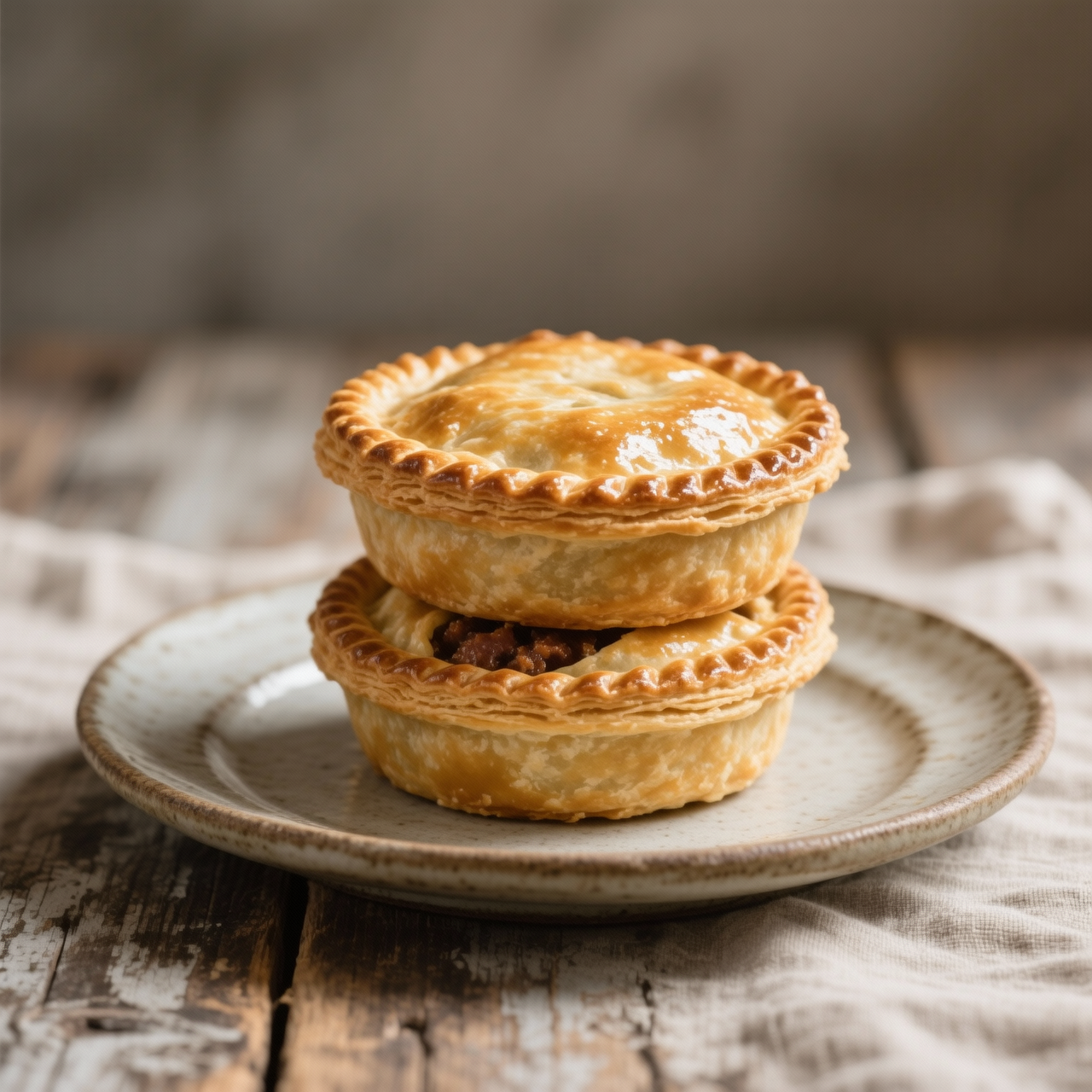
Pork pies
I find a profound satisfaction in pulling a proper, hand-raised pork pie from my oven, a triumph that completely eclipses the sad, squidgy discs I see in the supermarket chiller aisle. Those shop-bought packs, usually hovering around two pounds for a multipack, are a masterclass in culinary disappointment. They rely on heavily processed, mechanically recovered meat, artificial preservatives, and a pastry that tastes distinctly of cardboard and despair. When I make them from scratch, I reclaim a cornerstone of British culinary heritage. Originating in the medieval counties of Leicestershire and Lincolnshire, the traditional Melton Mowbray style pie relies on a robust, hand-raised hot-water crust and a highly seasoned, coarsely chopped pork filling, bound together with a rich, homemade pork stock jelly. The magic lies in the technique. I love how the hot-water crust is uniquely pliable when warm, allowing me to mould it into freestanding cylinders without a tin, though it demands confidence and a gentle touch to avoid tearing. The most common pitfall I see is rushing the cooling process; the pie must cool completely so the natural gelatine in the stock can set into that glorious, savoury jelly. Another frequent mistake is overworking the pastry or using meat that is too lean, which results in a dry, crumbly filling. When I commit to the time-honoured method—rendering my own fat, mincing my own shoulder, and clarifying my own stock—I create a snack with a glorious, crimped golden crust and a deeply savoury, succulent interior that no factory could ever replicate.
Nutrition
| Per serving | Calories | Protein | Carbs | Fat | Sat fat | Fibre | Sugar | Sodium |
|---|---|---|---|---|---|---|---|---|
| beginner | 480kcal | 18g | 20g | 35g | 12g | 1g | 1g | 650mg |
| intermediate | 780kcal | 26g | 42g | 54g | 19g | 2g | 1g | 650mg |
| expert | 680kcal | 32g | 28g | 48g | 18g | 1g | 0g | 850mg |
Per serving · Ava-estimated — a guide, not a clinical figure.
- 500 gplain flour— plus extra for dusting
- 150 glard— diced
- 150 mlwater— for the hot water crust
- 10 gsalt— fine sea salt
- 600 gpork shoulder— trimmed of excess fat and diced
- 5 gblack pepper— freshly ground
- 2 gground nutmeg
- 2 gground mace
- 1 pieceegg— beaten, for glazing
Shop-bought pork pies often cost £2 to £4 each and are typically packed with preservatives, mechanically recovered meat, and a rubbery, bland gelatin layer that lacks any real depth. This beginner version replaces those waxy chiller-aisle packs with a simplified, forgiving from-scratch technique. We use a slightly thicker hot-water crust to prevent tearing, and set the traditional jelly using leaf gelatine and homemade stock rather than reducing trotters for days. The filling relies on high-quality minced pork shoulder and belly mixed with simple fresh herbs, avoiding complex spice blends. Watch out for the hot water dough—it must be worked while still warm and pliable; if it cools, it will crack. Do not overfill the pies, or the crust will burst during the long bake. The result is a rich, savory pie with a proper, clean pork flavor and a flaky crust that completely eclipses mass-produced alternatives, giving you a superior, authentic snack.
Equipment
- Heavy-bottomed pan— for melting the lard and water
- Pie molds or dolly— small ramekins work in a pinch
- Pastry brush— for the egg wash
Method
- 1
Heat the water and lard in a heavy-bottomed pan until the lard is completely melted, then pour it into the flour and salt to form the hot-water crust.
Work quickly while the dough is still warm and pliable.
kneading~ 10 minTricky bit - 2
Combine the minced pork shoulder, pork belly, fresh sage, thyme, salt, pepper, and nutmeg in a bowl to create the filling.
Keep the meat mixture cold until you are ready to fill the pies.
mixing~ 5 min - 3
Roll out the warm dough on a lightly floured surface and line your pie molds, ensuring the pastry is slightly thicker than usual to prevent tearing.
Leave a generous overhang for the lids.
lining~ 10 minTricky bit - 4
Pack the meat mixture tightly into the pastry cases, place the lids on top, crimp the edges firmly to seal, and cut a small steam hole in the center.
Packing it tightly prevents air pockets and shrinking.
crimping~ 8 min - 5
Brush the pies with a beaten egg wash and bake in a preheated oven until the crust is golden brown and the filling is cooked through.
Cover with foil if the tops brown too quickly.
baking~ 60 min - 6
Once the pies have cooled completely, pour the warm, seasoned homemade pork stock mixed with dissolved gelatine into the steam holes to set the traditional jelly.
Chill overnight to allow the jelly to fully set.
setting~ 5 min
Cooking from frozen
Thaw overnight in the fridge before eating cold, or warm gently in a low oven.
Storage times are a guide — always use your judgement and store food safely.