
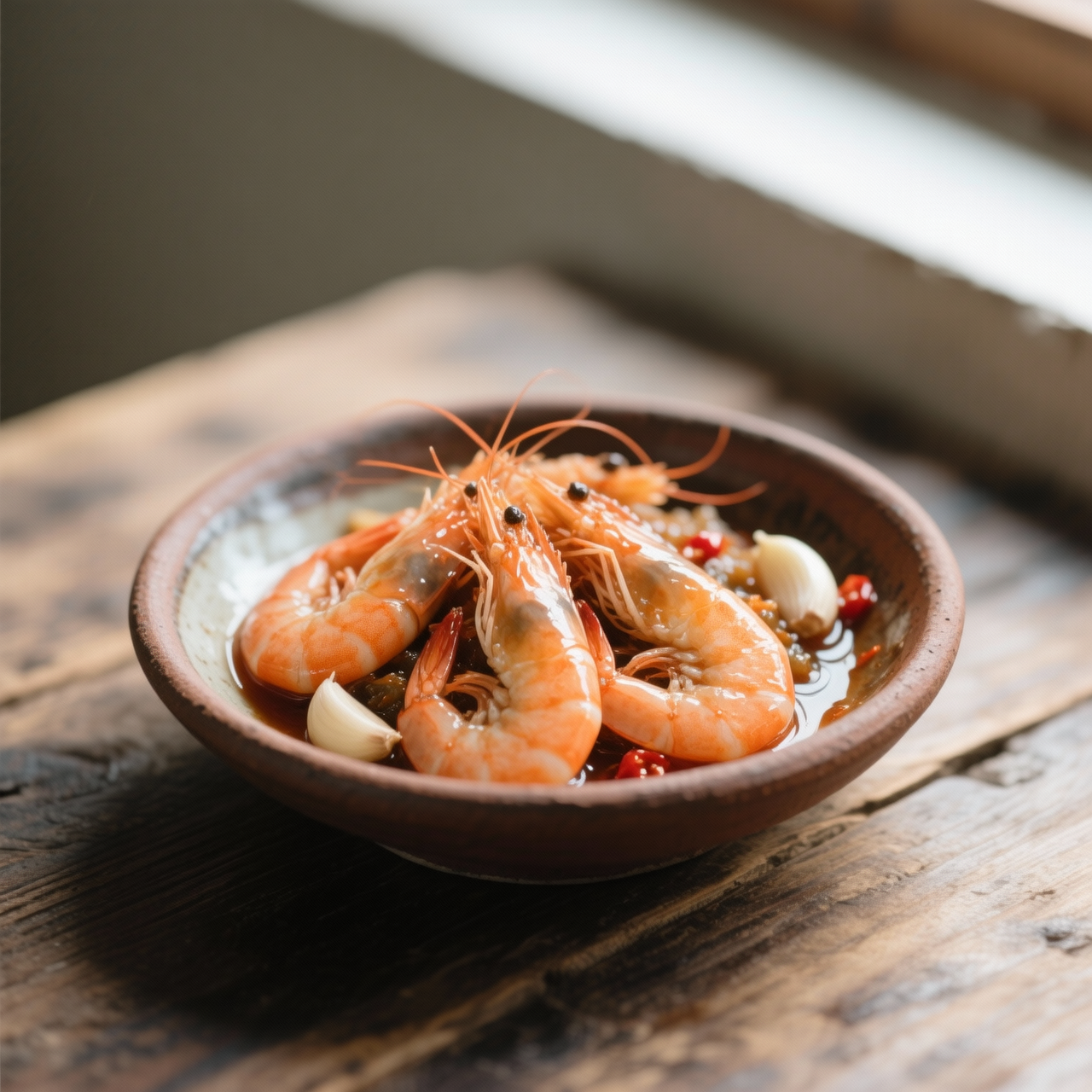
Saeujeot (Salted Shrimp)
When I first cracked open a jar of saeujeot, I realized I wasn’t just holding salted shrimp; I was holding a centuries-old Korean coastal tradition that quietly powers the soul of our cuisine. Born out of necessity along the Yellow Sea, where fishermen needed a way to preserve their abundant catch before refrigeration, this humble condiment evolved into the indispensable umami backbone of Korean cooking. It’s the secret heartbeat of authentic kimchi, lending a briny depth and gentle sweetness that sea salt alone simply cannot replicate. I’ve learned over the years that making or storing saeujeot is less about rigid formulas and more about respecting the slow, microbial dance of fermentation. The most common pitfall I see is rushing the process or using fine, iodized table salt, which introduces anti-caking agents and iodine that sabotage the delicate bacterial ecosystem. Another mistake is storing it at room temperature for too long after opening, which invites unwanted spoilage and turns that vibrant, translucent amber into a dull, overly pungent mess. People also often confuse it with Southeast Asian shrimp pastes, but saeujeot is distinctly Korean: it’s kept whole, gently fermented in coarse sea salt, and used as both a seasoning and a standalone side. When you get it right, it transforms simple napa cabbage, scallion pancakes, and even stir-fried vegetables into something profoundly layered. I always advise patience, proper refrigeration, and tasting as you go. This isn’t just a condiment to sprinkle and forget; it’s a living ingredient that rewards attention with unparalleled depth.
Nutrition
| Per serving | Calories | Protein | Carbs | Fat | Sat fat | Fibre | Sugar | Sodium |
|---|---|---|---|---|---|---|---|---|
| beginner | 30kcal | 4g | 1g | 0g | 0g | 0g | 0g | 1150mg |
| intermediate | 42kcal | 8g | 1g | 1g | 0g | 0g | 0g | 3100mg |
| expert | 12kcal | 2g | 0g | 0g | 0g | 0g | 0g | 1450mg |
Per serving · Ava-estimated — a guide, not a clinical figure.
- 500 gshrimp— Ideally mysid variety, rinsed and thoroughly drained
- 150 gcoarse sea salt— Korean coarse sea salt (gueun sogeum) preferred for fermentation
This beginner-friendly approach to saeujeot removes the guesswork from traditional months-long fermentation by using a controlled, quick-cure method that delivers reliable results in just three days. You will work with a pre-measured ratio of coarse sea salt to frozen raw shrimp, eliminating the need to test brine density by eye. The process emphasizes food safety and clear visual checkpoints, guiding you through proper jar sterilization, layering, and the crucial first liquefaction phase. Watch closely for the shrimp to soften and release their natural juices; if the liquid hasn’t pooled after forty-eight hours, a gentle shake will jumpstart the process. Because this version skips the extended aging step, the flavor remains bright and slightly sweet, making it an ideal, forgiving entry point for kimchi seasoning. Store it in the refrigerator once it reaches your desired saltiness to halt further fermentation. This streamlined method ensures consistent texture and salt control, giving you confidence to use your homemade seasoning immediately or save it for future batches.
Equipment
- Sterilizable glass jar— 16-oz mason jar with tight-fitting lid
- Digital kitchen scale— essential for precise 25% salt ratio
- Fine mesh strainer(optional)— for separating liquid from solids
Method
- 1
Sterilize a clean glass jar and all utensils with boiling water, then let them dry completely.
Any moisture or food residue can cause unwanted mold growth.
sterilization~ 5 min - 2
Weigh your frozen raw shrimp and calculate exactly twenty-five percent of that weight for coarse sea salt.
Do not use iodized table salt, which contains anti-caking agents that cloud the brine.
ratio scaling~ 2 minTricky bit - 3
Layer the shrimp and salt alternately in the jar, pressing down firmly with a clean spoon to eliminate air pockets.
The shrimp will shrink significantly as they release moisture over the next few hours.
layering~ 3 min - 4
Seal the jar tightly and store it at cool room temperature away from direct sunlight for three days.
Check daily; a clear, slightly amber liquid should form and cover the shrimp.
quick curing~ 1 min - 5
Transfer the jar to the refrigerator to halt fermentation, then strain or blend the mixture before using in kimchi.
The resulting paste will keep for up to six months when refrigerated.
cold storage~ 2 min
Cooking from frozen
No reheating required; thaw overnight in the refrigerator and stir thoroughly to reincorporate separated brine before using.
Storage times are a guide — always use your judgement and store food safely.