
XO Sauce
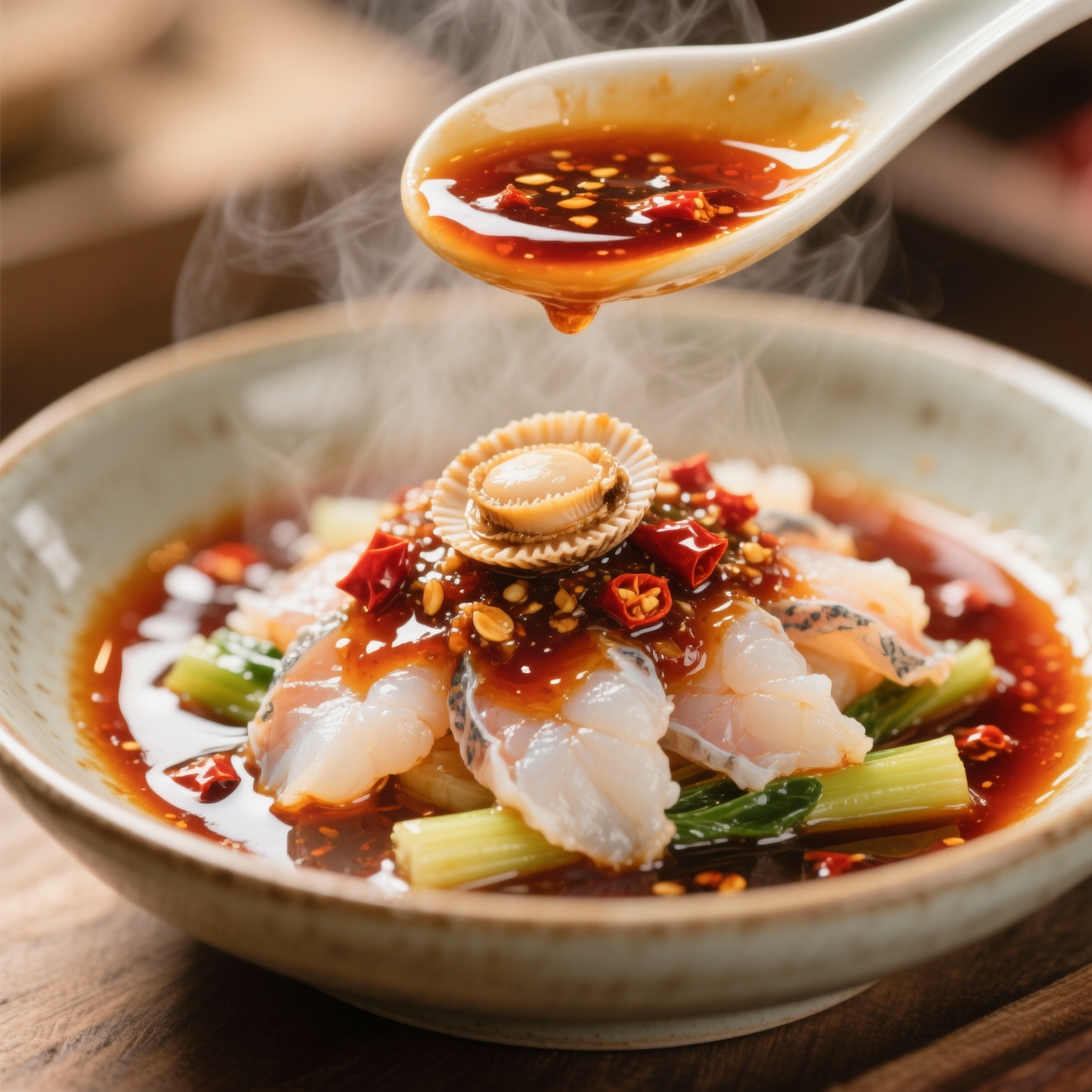
I still remember the first time I truly understood XO sauce—not as a mere condiment, but as a cultural artifact born from the pragmatic luxury of Cantonese kitchens in the late 1970s. Legend traces it to high-end Guangzhou and Hong Kong hotel chefs who sought to repurpose premium dried scallops and cured seafood trimmings, blending them with chili, garlic, and shallots to create a deeply umami-packed relish that could elevate everything from plain rice to stir-fried noodles. What matters to me about this sauce is its deliberate intensity; it’s not meant to be poured in casual heaps, but rather spooned with reverence, acting as a flavor multiplier that transforms humble ingredients into something celebratory. The biggest mistake home cooks make is rushing the frying process or using low-quality dried ingredients. XO sauce demands patience: the scallops and shrimp must be properly rehydrated, meticulously shredded by hand or pulsed to a coarse, fibrous texture, and then slowly simmered in neutral oil over low heat. If the oil gets too hot too quickly, the delicate seafood burns and turns bitter, while the aromatics scorch before their sugars can properly caramelize. Another common pitfall is under-salting or over-relying on fresh chilies instead of properly toasted dried ones, which strips away that signature earthy heat. I always remind myself that XO is a preservation craft as much as a recipe; the oil acts as both a medium and a sealant, slowly coaxing out every last drop of savory complexity from the dried ingredients. When done right, it’s a jarred treasure that rewards restraint and technique, bridging the gap between humble pantry staples and restaurant-tier indulgence.
Nutrition
| Per serving | Calories | Protein | Carbs | Fat | Sat fat | Fibre | Sugar | Sodium |
|---|---|---|---|---|---|---|---|---|
| beginner | 135kcal | 3g | 4g | 13g | 2g | 1g | 2g | 410mg |
| intermediate | 480kcal | 8g | 6g | 46g | 4g | 1g | 2g | 750mg |
| expert | 260kcal | 6g | 4g | 26g | 4g | 1g | 2g | 520mg |
Per serving · Ava-estimated — a guide, not a clinical figure.
- 50 gDried scallop— Soak in warm water until pliable, then shred by hand or fork
- 40 gDried shrimp— Soak in warm water for 20 minutes, drain and finely chop
- 100 gShallot— Peeled and finely minced
- 60 gGarlic clove— Peeled and finely minced
- 20 gGinger— Peeled and finely grated
- 30 gDried chili— Soaked briefly in hot water, seeded, and finely chopped
- 250 mlPeanut oil— Neutral high-smoke-point oil works as a substitute
- 30 mlShaoxing wine— Dry sherry can be substituted if unavailable
- 20 mlLight soy sauce— Use regular or low-sodium variety
- 15 gGranulated sugar— Helps balance the savory and spicy flavors
This beginner-friendly approach strips away the traditional multi-day prep and replaces labor-intensive hand-shredding with smart, accessible shortcuts. Instead of hunting down pricey whole dried scallops, you will use high-quality jarred dried seafood paste or pre-soaked minced alternatives that deliver the same umami depth in a fraction of the time. The key to a successful first attempt is temperature control and patience; XO sauce relies on slowly coaxing moisture out of the aromatics and seafood without scorching the delicate chili flakes or burning the garlic. Keep your heat strictly at medium-low and stir consistently with a heat-resistant spatula to ensure even cooking and prevent sticking. You will notice the mixture transform from a wet, clumpy paste into a glossy, oil-suspended relish as it reduces. Watch for the moment the oil begins to pool at the edges and the ingredients turn translucent and fragrant—that is your cue to remove it from the heat. Once cooled completely, transfer the sauce to a sterilized glass jar and refrigerate. The flavors will continue to meld beautifully over the next two days, rewarding your patience with a deeply savory, restaurant-quality condiment that elevates noodles, dumplings, and stir-fries effortlessly.
Equipment
- Heavy-bottomed pan— non-stick is fine for beginners
- Heat-resistant spatula— silicone works best for scraping edges
- Glass storage jar— must be completely dry and sterilized
Method
- 1
Finely mince the ginger, garlic, and shallots using a sharp knife or mini food processor until uniform in size.
Consistency ensures even cooking without burning.
mincing~ 3 min - 2
Warm the neutral oil in your heavy pan over medium-low heat and gently add the aromatics.
Listen for a soft sizzle rather than a loud crackle.
sweating~ 5 minTricky bit - 3
Stir in the jarred seafood paste, dried chili flakes, sugar, and soy sauce until fully integrated.
Break up any stubborn lumps with a wooden spoon.
folding~ 2 min - 4
Simmer the uncovered mixture while stirring frequently until the liquid evaporates and the oil begins to separate.
Lower the heat immediately if the edges darken too quickly.
reducing~ 10 minTricky bit - 5
Remove the pan from the burner, let the sauce cool completely to room temperature, then carefully transfer to your airtight jar.
Always use a dry spoon to scoop out portions later.
preserving~ 5 min
Cooking from frozen
Thaw overnight in the refrigerator and stir vigorously to redistribute the oil before spooning.
Storage times are a guide — always use your judgement and store food safely.