
Conventional Deadlift
conventional-deadlift
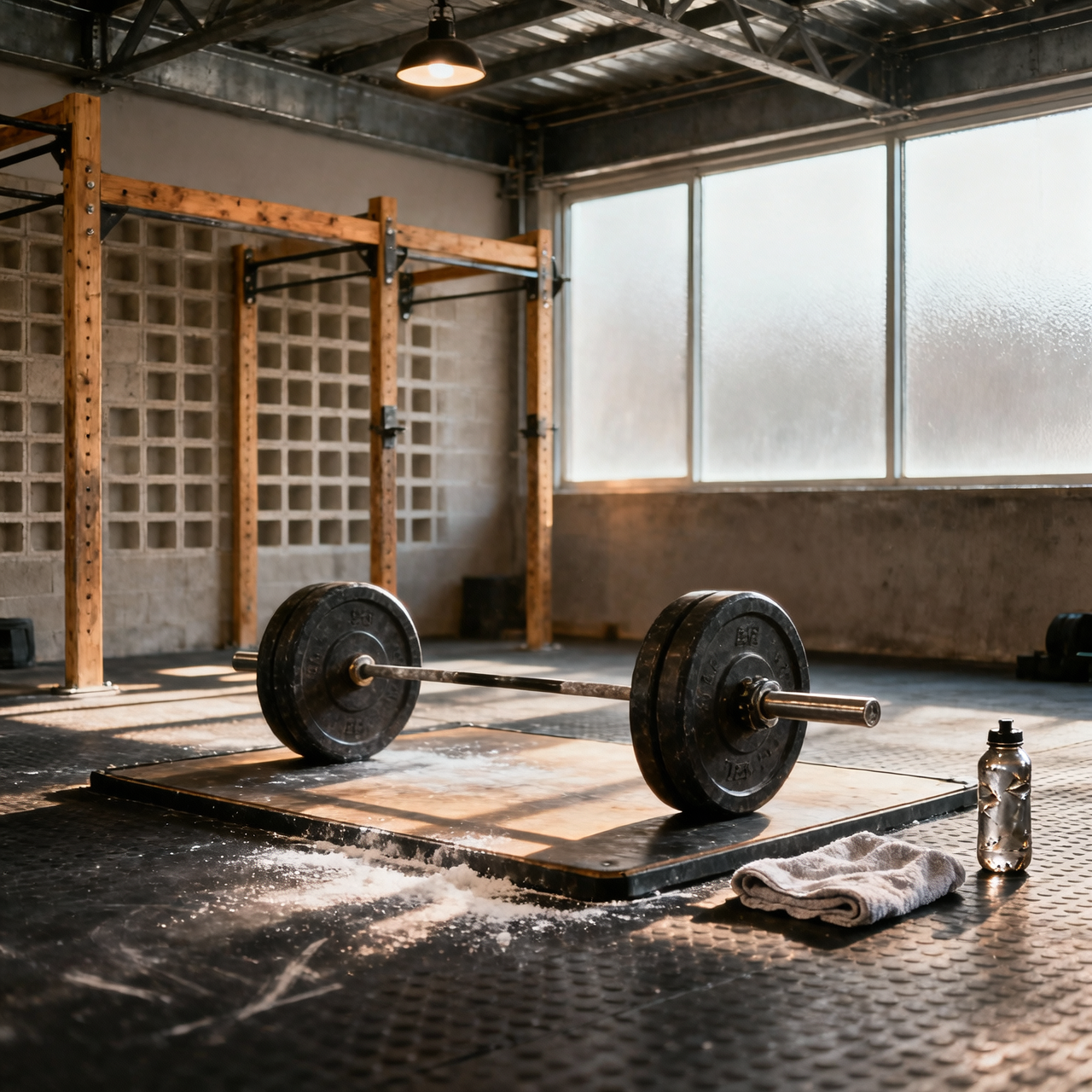
When I coach this lift, I want you to chase that anchored, deliberate tension. You’ll feel the bar glide close to your legs while your lats lock down like a natural brace. Your hamstrings and glutes fire together, creating a satisfying, full-body pull. There’s no jerking, just smooth, heavy leverage. Standing tall at the top should leave you breathing hard, grounded, and completely in control.
If you're new to this
Focus on mastering the hip hinge before adding significant weight. Imagine sitting back into a chair while keeping your chest proud and your spine rigid. If your lower back rounds or your shoulders collapse forward, stop immediately and reset. True failure in the deadlift means your form breaks down, not just that the bar stops moving. When you feel your spine bowing, your knees shooting forward, or your grip slipping excessively, that is your cue to lower the weight or end your set. Beginners often compensate by turning the lift into a stiff-legged squat or jerking the bar off the ground. Keep the movement slow and deliberate. Practice with lighter loads until the hip hinge feels natural and your bracing becomes automatic. Consistency with lighter weights will build the tendon strength and neural pathways you need for long-term progress. Trust the process, respect your body’s feedback, and let your technique dictate the load you choose.
Common mistakes
The most frequent error is rounding the lower back, which shifts dangerous compressive forces onto the spinal discs instead of keeping tension in the posterior chain. Many lifters also start with their hips too low, effectively turning the movement into a heavy squat and losing leverage. Pulling the bar away from the body creates a longer moment arm that strains the lumbar spine and wastes energy. Finally, failing to brace the core properly before initiating the pull leaves the torso vulnerable to shear forces. Address these by prioritizing a neutral spine, setting your hips at the optimal height, keeping the bar in constant contact with your legs, and establishing a rigid midline before you ever apply upward force.
Routine
- Sets
- 3
- Reps
- 3-5
- Rest
- 180s
- Tempo
- 1-0-1-0
- Frequency
- 1-2x/week
Add 2.5-5 lbs to the bar once all prescribed sets and reps are completed with strict form.
Muscles
- Glutes
- Hamstrings
- Lower back
- Lats
- Traps
- Forearms
- Abs
Equipment
- Barbell
- 1
Position your feet hip-width apart with the barbell aligned over the center of your shoelaces.
- 2
Hinge forward at the hips and bend your knees to grasp the bar just outside your legs.
- 3
Flatten your spine, lift your chest, and inhale deeply into your stomach to brace your core.
- 4
Pull your shoulders back and tighten your arms to remove all slack from the bar.
- 5
Drive through your entire foot to lift the bar, keeping your breath held until it clears your knees.
- 6
Keep the bar touching your legs and extend your hips and knees until you stand completely straight.
- 7
Squeeze your glutes firmly at the top while maintaining a neutral head position.
- 8
Exhale steadily, push your hips backward, and bend your knees to lower the bar with control.
- 9
Allow the plates to rest completely on the floor, release your brace, and reset your stance.