
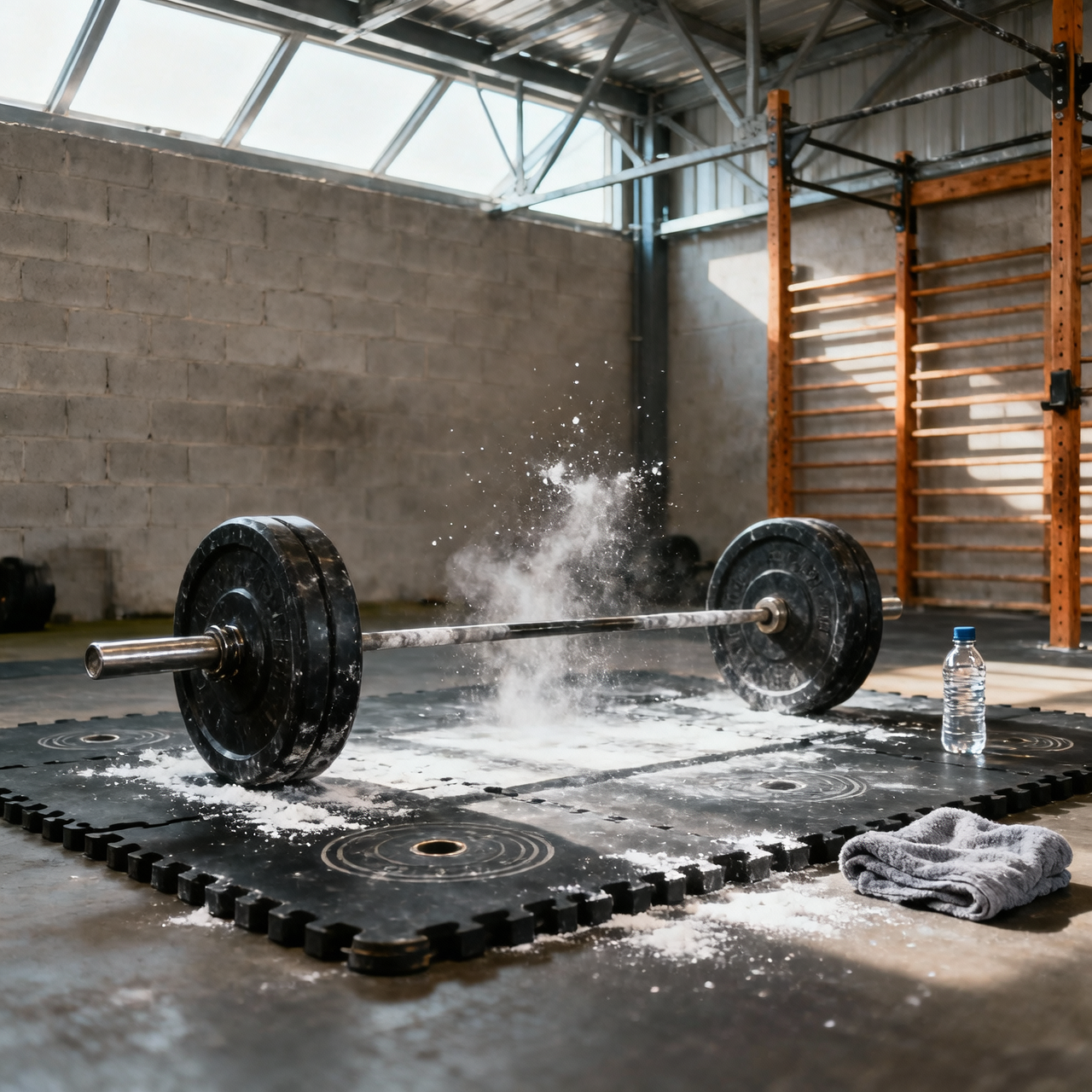
Hang Clean
hang-clean
When I coach the hang clean, I tell athletes to chase that explosive snap where the hips launch the barbell. A great rep feels weightless at the top, followed by a quick drop into a tight catch. You’ll notice the bar resting lightly across your shoulders, never dragging on your wrists, while your core stays locked. It’s rhythmic and powerful when timing aligns. Trust your extension, stay aggressive under the bar, and ride the momentum into a solid rack.
If you're new to this
If you are new to this movement, start with a light PVC pipe or an empty bar to master the timing before adding weight. Focus entirely on the hip drive; think of jumping vertically while keeping your arms straight until the bar passes your knees. Stop immediately if your lower back begins to round during the setup or if you feel a sharp pinch in your wrists when catching the bar. Common compensations include pulling with the biceps too early, which turns the lift into a heavy curl, or dropping the elbows during the catch, which strains your shoulders and spine. When fatigue sets in, your pull will slow, and you will start muscling the bar upward rather than letting your legs do the work. That is your cue to lower the weight and reset. Remember, the hang clean rewards patience and rhythm, not maximal effort. Practice the front rack mobility separately, and never chase a heavy load until the transition from pull to catch feels automatic and smooth.
Common mistakes
Lifters frequently initiate the movement with their arms instead of their hips, which robs the exercise of its explosive lower-body foundation and places unnecessary stress on the shoulders. Another frequent error is allowing the barbell to swing away from the body during the pull, creating a longer, inefficient path that forces a rushed and unstable catch. Many also drop their elbows or fail to rotate them forward quickly enough upon landing, which compromises wrist alignment and shifts the load onto the spine. Finally, rushing the descent into the rack position without actively bracing the core leads to a collapsed posture that absorbs the impact poorly. Prioritize a tight, vertical bar path and deliberate footwork to keep the movement safe and effective.
Routine
- Sets
- 4
- Reps
- 2-4
- Rest
- 150s
- Frequency
- 2x/week
Increase load by 2.5-5 lbs once you can consistently complete all sets at the top of the rep range with explosive speed and proper form.
Muscles
- Glutes
- Quadriceps
- Hamstrings
- Traps
- Shoulders
- Lower back
- Abs
Equipment
- Barbell
- 1
Plant your feet shoulder-width apart with toes angled slightly outward.
- 2
Grip the barbell just outside shoulder width with an overhand grip and straight arms.
- 3
Hinge at the hips to lower the bar to just below the knees while maintaining a flat back and engaged core.
- 4
Inhale deeply to brace your midsection before initiating the pull.
- 5
Drive forcefully through the entire foot to extend the hips, knees, and ankles in one explosive motion.
- 6
Shrug the shoulders upward while keeping the bar close to the body as it travels vertically.
- 7
Pull the body underneath the bar by rotating the elbows forward and catching the weight across the front shoulders and fingertips.
- 8
Exhale sharply upon impact and immediately bend the knees to drop into a shallow squat that absorbs the load.
- 9
Stand fully upright to stabilize the barbell across the front rack position.
- 10
Hinge at the hips and bend the knees to guide the barbell down to the upper thighs with control.
- 11
Lower the weight completely to the floor while exhaling steadily to complete the reset.