
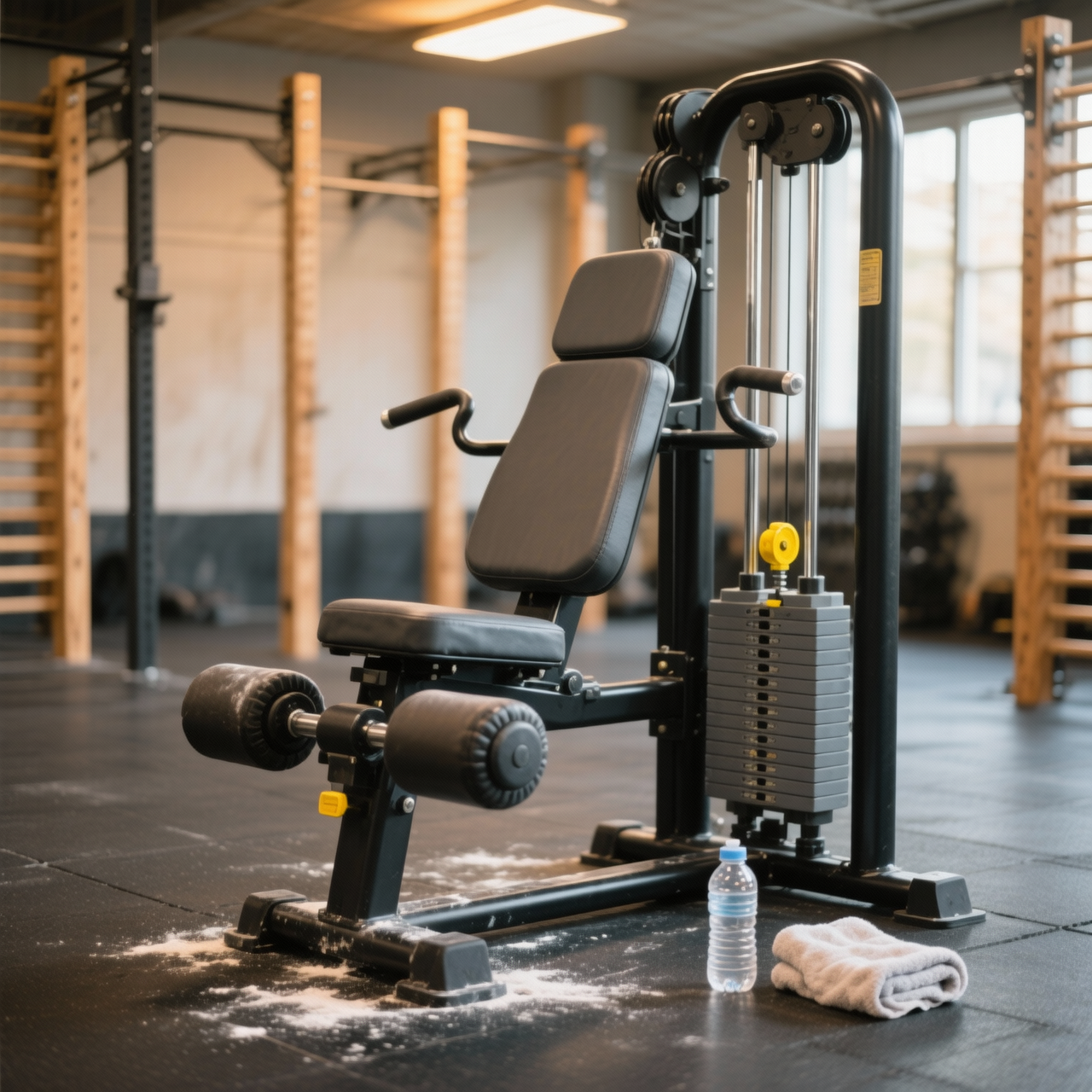
Hip Abduction
hip-abduction
I want you to feel a deep, controlled burn along the outer hips with every smooth rep. Keep your torso anchored and let the abductor pads do the work against your thighs, avoiding any momentum or lower back arch. Breathe steadily, focus on the lateral squeeze at the top, and lower with deliberate control. When you execute it right, you’ll notice a clean, targeted activation that builds resilient, stable hips without joint strain.
If you're new to this
Focus on keeping your spine completely still while the movement happens strictly at your hips. You should feel a steady, localized burn along the outer thigh and glute region rather than in your lower back or knees. If you notice your pelvis tilting forward or your torso leaning backward, lighten the resistance immediately. True muscular failure on this exercise feels like a heavy, trembling fatigue in the abductors, not sharp joint pain or pinching near the hips. Stop the set the moment your form breaks down or you start using momentum to swing the weight outward. Beginners often rush through the eccentric phase, so prioritize a slow, deliberate return to build tendon resilience. Trust the lighter loads initially, master the mind-muscle connection, and remember that consistent, controlled reps will yield far better results than heavy, compromised ones.
Common mistakes
Most lifters compromise their form by selecting excessive weight, which forces the lower back to arch and the torso to rock backward to generate momentum. This shifts tension away from the target muscles and places unnecessary stress on the lumbar spine. Another frequent error involves bouncing the pads together at the bottom of the movement, which completely eliminates time under tension and turns the exercise into a joint-pounding stretch. Additionally, many people flare their knees too aggressively or allow their feet to rotate outward excessively, creating awkward leverage that irritates the knee joint. Keep the movement strictly lateral, maintain a neutral pelvis, and let the machine do exactly what it was designed for.
Routine
- Sets
- 3
- Reps
- 8-12
- Rest
- 90s
- Tempo
- 2-0-2-0
- Frequency
- 2-3x/week
Gradually increase the machine weight by the smallest increment once you can complete all sets with perfect form and controlled tempo.
Muscles
- Abductors
- Glutes
Equipment
- Hip abductor machine
- 1
Sit firmly on the hip abductor machine with your back flat against the padded support and feet planted on the floor.
- 2
Adjust the leg pads so they rest comfortably against the outer thighs just above the knees.
- 3
Grip the side handles securely to stabilize your torso and prevent leaning.
- 4
Exhale and press your thighs outward against the pads until they reach full range of motion without forcing the joints.
- 5
Pause for one second at the widest point while maintaining steady tension across the outer hips.
- 6
Inhale and slowly return the pads inward over a controlled two-count, stopping just before they touch the starting stack.
- 7
Keep your pelvis neutral and avoid rocking your torso or arching your lower back throughout the entire repetition.
- 8
Complete your target set, release the handles, and slowly step off the machine once the pads lock into place.